
Caranx crysos
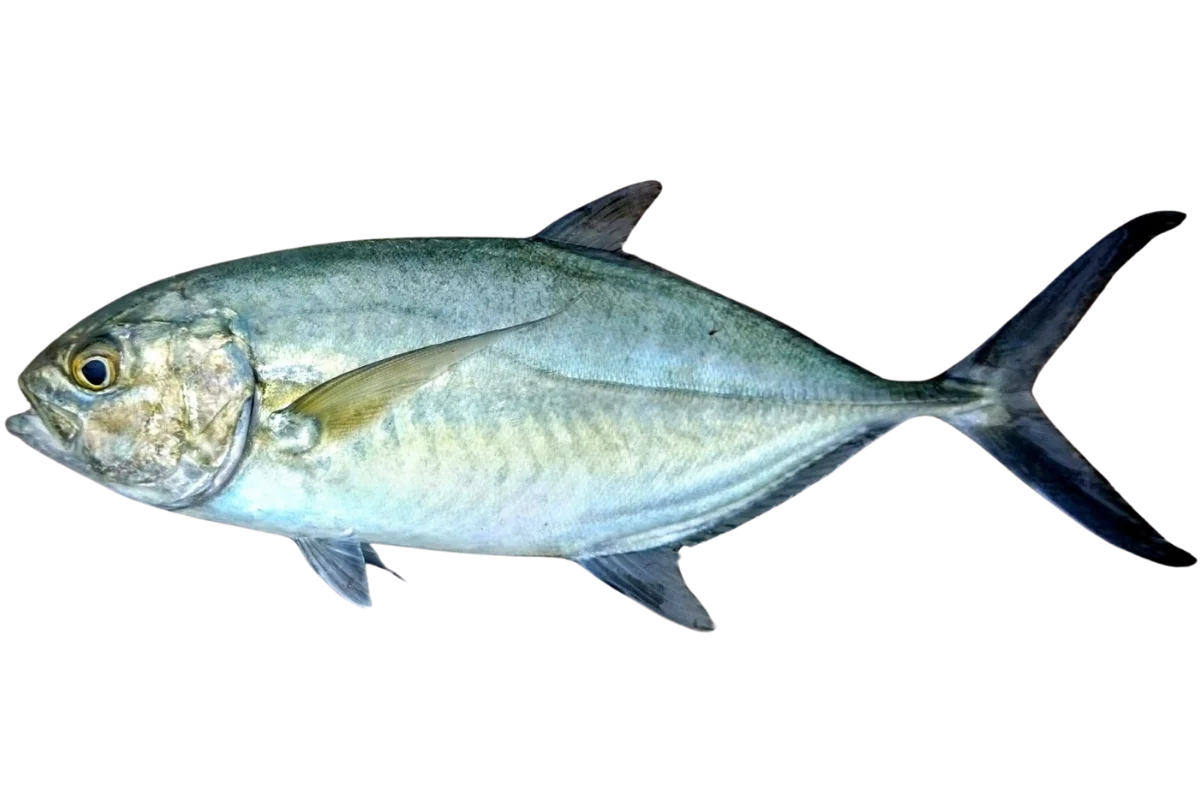
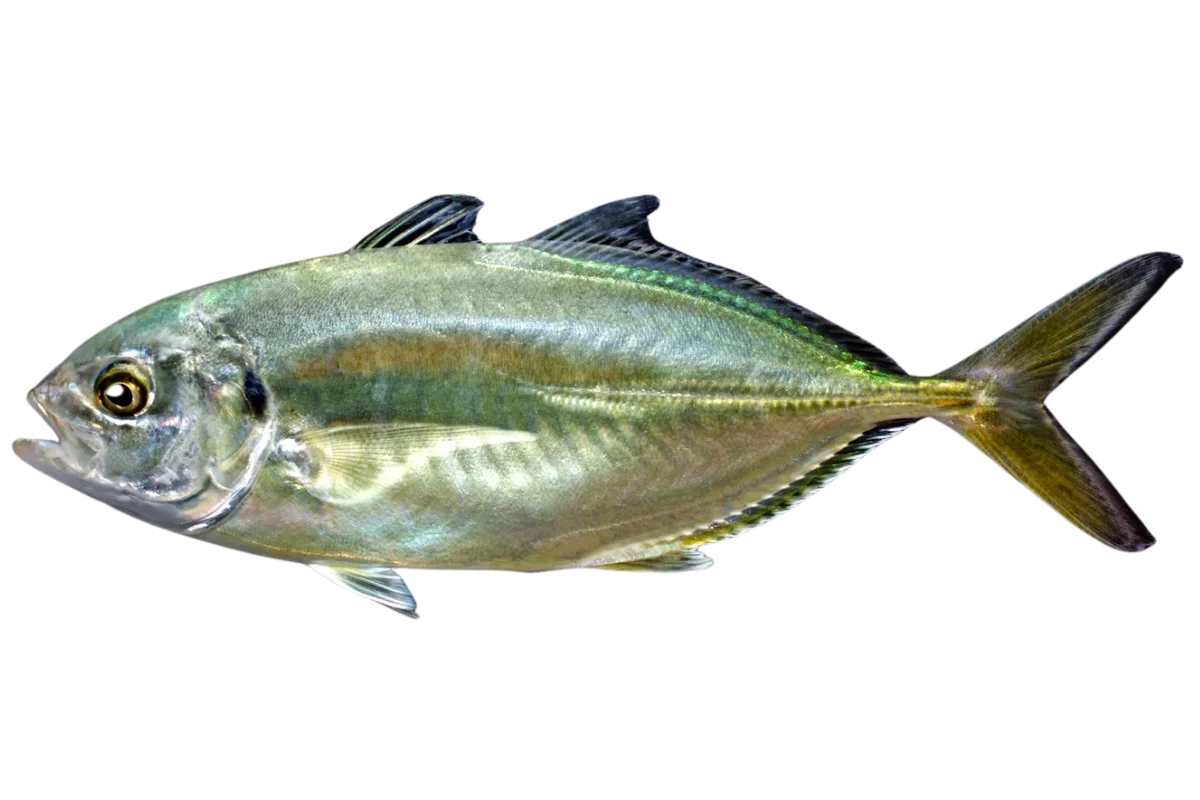
The Blue Runner is one of the most powerful, fast, and widespread predatory fish in coastal waters. It belongs to the Carangidae family, which also includes amberjacks and leerfish. The body is silvery and hydrodynamic, shaped like a torpedo, with a slight greenish or golden tint on the back and a characteristic black spot on the gill cover.
Its physical distinction comes from a series of hard, bony plates known as scutes located along the lateral line, particularly where the body narrows toward the tail. If handled toward the rear, these plates feel extremely hard and sharp, functioning like a row of small bones. These structures provide the fish with stability when swimming at high speeds.
This is a coastal pelagic species that lives both at the surface and in mid-water layers. It forms large schools, especially when young, and frequents areas over reefs, shipwrecks, and sandy seabeds. It typically moves at depths between 1 and 100 metres. Juvenile individuals often seek protection under floating objects or even beneath jellyfish.
Breeding takes place during the warm months of the year. In the Mediterranean, this period extends mainly from June to September, with a peak in mid-summer. They spawn their eggs in the open sea, and the eggs are pelagic.
This is a very popular catch for recreational anglers due to the intense fight it provides once hooked. It is caught by surface trolling, spinning from the shore, and spearfishing. Commercially, it is caught with purse seines and nets. The meat is red, firm, and very flavourful when consumed fresh, although it should be bled immediately after capture to prevent the flavour from becoming too heavy.
The IUCN classifies the Blue Runner as a species of Least Concern, as populations are stable and even increasing in certain areas. Scientific studies have shown that it is a fast-growing species that reaches sexual maturity relatively quickly, at approximately 22-28 centimetres. Recent research links its increased presence in the Northern Mediterranean to rising water temperatures, as it is a thermophilic species. Additionally, it has been observed that the fish is strongly attracted to man-made structures such as oil rigs and fish farms.
| Country | Local Name |
|---|---|
| 🇮🇹 Italy | Carango mediterraneo or Carango dorato |
| 🇪🇸 Spain | Jurel de aleta azul or Cojinúa |
| 🇫🇷 France | Carangue coubali |
| 🇹🇷 Turkey | Krizo kolyoz or Sarı kuyruk |
| 🇲🇹 Malta | Sawrell ikhal or Karang |
| 🏴 | Karang or Bouna |
| 🌊 Adriatic Coast (Croatia/Slovenia) | Šnjur golemi or Falšun |
| 🇬🇷 Greece | Kokkali, Karagkida, Sampani, Souros, or Trachouri |